Best ETP for Textile Industry
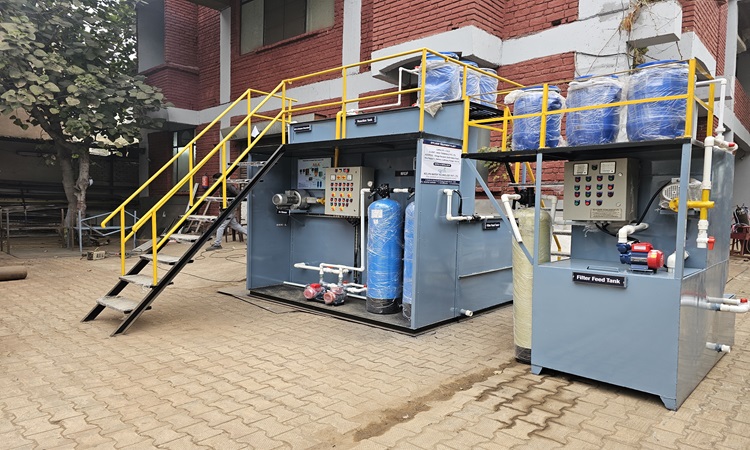
The textile industry is one of the most water-intensive industrial sectors in the world. Processes such as dyeing, bleaching, washing, printing, and finishing consume vast quantities of water and generate wastewater laden with high levels of dyes, surfactants, chemicals, and organic pollutants. Without proper treatment, this effluent can pose severe environmental hazards — contaminating rivers, ruining soil quality, and threatening aquatic ecosystems.
Textile wastewater is challenging to treat because it typically exhibits:
- High COD (Chemical Oxygen Demand) and BOD (Biochemical Oxygen Demand)
- Intense colour from dyes and pigments
- High TDS (Total Dissolved Solids)
- Surfactants and toxic chemicals
Understanding ETP for Textile Industry
An Effluent Treatment Plant (ETP) is designed to treat industrial wastewater, removing harmful pollutants and transforming it into reusable or safe-to-discharge water. In the context of textile wastewater, an ETP must leverage advanced physical, chemical, and biological treatment stages to effectively remove dyes, chemicals, suspended solids, and organic contaminants.
Key Goals of Textile ETPs
- Reduce COD/BOD Levels: Textile wastewater often has extremely high organic loads, and the ETP must significantly lower them to comply with discharge standards.
- Remove Colour: Dyes in the effluent must be removed to prevent environmental harm and meet legal colour limits.
- Eliminate Suspended Solids: Solid particles from fabric residues or chemicals need elimination.
- Reduce Toxicity: Heavy metals and toxic chemicals must be neutralized or removed.
- Enable Water Reuse: Treated effluent should be suitable for reuse in non-potable applications like cooling or washing.
Typical ETP Treatment Stages
A high-performance ETP for textile wastewater usually includes:
1. Pre-Treatment (Physical & Chemical)
- Screening to remove large solids
- Coagulation & Flocculation to aggregate fine particles
- pH neutralization to balance wastewater chemistry
These processes help in settling out suspended matter and preliminary pollutant removal.
2. Secondary (Biological) Treatment
- MBBR (Moving Bed Biofilm Reactor) or
- SBR (Sequencing Batch Reactor) or
- MBR (Membrane Bioreactor)
These systems use microorganisms to break down organic constituents, significantly reducing COD/BOD and organic pollution. Biological processes are crucial for reducing biodegradable loads typical in textile effluents.
3. Tertiary (Advanced Polishing)
- Activated carbon filtration
- Ultrafiltration / Reverse Osmosis (UF/RO)
- UV or Ozone disinfection
Tertiary treatments help in color removal, fine filtration, pathogen removal, and ensuring the resulting water meets reuse or stricter discharge criteria.
4. Sludge Handling
- Treatment and safe disposal of sludge produced during physical/chemical/biological treatment stages.
Why Best ETP Matters in Textile?
With regulatory landscapes tightening globally, textile units must invest in ETPs that not only treat wastewater efficiently but also support water reuse / Zero Liquid Discharge (ZLD) goals. Advanced ETPs can reduce raw water intake, decrease operational fines, safeguard environmental reputation, and even lower costs through treated water reuse.
Kelvin Water Technologies: Leader in ETP Solutions
Kelvin Water Technologies Pvt. Ltd. is a prominent water and wastewater treatment manufacturer in India with extensive experience in designing, engineering, manufacturing, and installing customized ETP solutions for industries including textiles, pharmaceuticals, chemicals, food processing, and more.
Their mission is to offer cost-effective, sustainable, and technologically advanced wastewater solutions that help industries meet environmental norms while achieving operational efficiency.
Kelvin’s ETP Solutions for Textile Industry
Kelvin Water Technologies delivers ETP systems tailored specifically for the complex wastewater generated by textile and dyeing units. Their solutions are engineered to manage high COD/BOD loads, colour removal, and chemical contaminants — all while prioritizing water reuse and sustainability.
Core Features of Kelvin’s Textile ETPs
- Customized Design: ETPs are designed based on the specific characteristics of the effluent, ensuring optimal performance.
- Advanced Treatment Technologies: Includes MBBR, SBR, MBR, and membrane systems like RO (Reverse Osmosis) for tertiary treatment
- High-Efficiency Removal: Efficient removal of dyes, organics, and suspended solids, ensuring compliance with strict discharge norms.
- Energy-Efficient & Low-Maintenance: Designed to minimize energy use and reduce operational costs.
- Modular & Space-Saving: Compact designs make installation easier and suitable even for space-constrained plants.
- Compliance-Ready: Built to comply with CPCB/SPCB standards, helping textile units avoid penalties and legal issues.
- Turnkey Services: From design and installation to commissioning and after-sales maintenance, Kelvin offers complete support.
Technologies Used by Kelvin Water Technologies
Kelvin integrates a mix of physical, chemical, and biological treatment technologies in their ETPs for textile wastewater:
- Screening & Sedimentation for solid removal
- Coagulation, Flocculation & Neutralization for initial pollutant removal
- Biological Treatment via MBBR, SBR, ASP to lower organic load
- Tertiary Filtration & RO for polishing and enabling reuse
- Optional ZLD Systems for near-zero discharge needs
Benefits of Choosing Kelvin’s ETPs for Textile Wastewater
1. Regulatory Compliance
Kelvin’s ETPs are engineered to meet stringent wastewater discharge standards set by pollution control authorities, protecting textile units from legal actions and closures
2. Water Reuse and Cost Savings
Treated water from Kelvin’s systems can be reused in cooling, washing, or non-critical processes, reducing freshwater dependency and operational costs.
3. Sustainable Operations
By enabling water reuse, reducing pollutants, and supporting cleaner discharge, Kelvin’s solutions contribute significantly to environmental conservation and sustainability
4. High Durability & Low Maintenance
With robust construction using quality materials and energy-efficient components, these ETPs offer long service life with minimal maintenance needs.
5. Comprehensive Support
Kelvin provides full lifecycle support — from engineering and installation to training, maintenance, and performance audits
Selecting the Right ETP for Your Textile Unit
When choosing the best ETP for a textile plant, keep the following factors in mind:
- Effluent Characteristics: Know your wastewater profile (COD/BOD, color, TDS).
- Treatment Goals: Decide whether you need reuse or just compliance.
- Technology Match: Biological + tertiary processes are essential for textile wastewater.
- Scalability: Ensure the ETP can scale with your production growth.
- After-Sales Support: Reliable support ensures long-term performance.
Conclusion
Effluent Treatment Plants are indispensable for the textile industry — not just for regulatory compliance, but for sustainable water management and reduced environmental impact. With their advanced, custom-engineered systems, Kelvin Water Technologies Pvt. Ltd. stands out as a trusted partner for textile wastewater treatment solutions. Their combination of innovative technology, industry-specific design, compliance assurance, and comprehensive support makes them one of the best choices for ETP implementation in the textile sector.