Sewage Treatment Plants for Hospitals in India
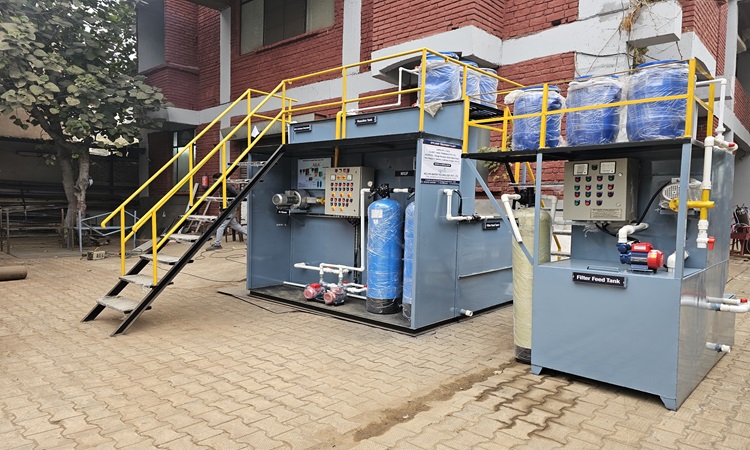
Hospitals generate a unique and often hazardous wastewater stream. Along with common domestic sewage, hospital effluent can contain pharmaceuticals, disinfectants, pathogens, blood and body-fluids, detergents, and laboratory chemical residues. Proper on-site sewage treatment is therefore not only an environmental and regulatory necessity in India, it’s a public-health imperative. This article explains why hospitals need dedicated Sewage Treatment Plants key design and operational considerations for Indian hospitals, and how Kelvin Water Technologies supports healthcare facilities with tailored, compliant, and compact STP solutions.
Why hospitals must have dedicated STPs?
1. Pathogen and pharmaceutical risk: Untreated hospital wastewater can spread antibiotic-resistant bacteria and viral pathogens and introduce active pharmaceutical ingredients into the environment.
2. Regulatory compliance: Central and state pollution control boards in India set discharge standards for biological oxygen demand (BOD), chemical oxygen demand (COD), total suspended solids (TSS), nutrients and specific hazardous parameters — hospitals must meet these before discharge or reuse.
3. Internal reuse potential: Properly treated effluent can be reused for toilet flushing, HVAC make-up water, gardening, and vehicle washing — reducing freshwater demand and water bills.
4. Reputation and safety: Effective wastewater management demonstrates a hospital’s commitment to infection control and environmental stewardship, important for accreditation and community trust.
Key design considerations for hospital STPs in India
Hospital effluent is variable in flow and contaminant load. Key factors designers and facility managers must address:
- Characterization of influent: Separate streams (e.g., septic/drainage, lab waste, laundry) should be profiled for BOD, COD, oil & grease, surfactants, pathogens and priority chemicals. Segregation at source reduces treatment complexity.
- Pre-treatment and neutralization: Solid removal (screening, grit removal), oil separation and pH neutralization are essential before biological treatment. Chemical disinfection zones are often required.
- Pre-treatment and neutralization: Solid removal (screening, grit removal), oil separation and pH neutralization are essential before biological treatment. Chemical disinfection zones are often required.
- Biological treatment selection: Choice of activated sludge, sequencing batch reactor (SBR), moving bed biofilm reactor (MBBR) or membrane bioreactor (MBR) depends on space, required effluent quality, and operator skill. MBRs give high-quality effluent suitable for reuse but cost more and need skilled O&M.
- Disinfection: A robust disinfection step (chlorination, UV, or advanced oxidation) is mandatory to inactivate pathogens prior to discharge or reuse. UV is often preferred where by-product formation is a concern.
- Handling of hazardous streams: Some laboratory and pharmaceutical wastes must be segregated and treated separately or sent to hazardous waste facilities. STPs should not be used as the primary disposal for chemical concentrates or cytotoxic wastes.
- Sludge management: Hospitals must plan for safe sludge handling, dewatering and disposal or co-processing, complying with biomedical and municipal sludge rules.
- Automation, monitoring and alarms: Continuous monitoring (flow, pH, ORP, residual chlorine, turbidity) and remote alarms enhance compliance and reduce operator burden.
- Space, noise and odor control: Many hospitals are in constrained urban sites; compact, containerized or underground STP options reduce footprint and odor complaints.
Typical treatment train for a hospital STP
A common, practical treatment sequence used in hospitals blends physical, biological and disinfection steps:
- Screening & comminution — removes rags, plastics and large solids.
- Equalization & neutralization tank — evens out flow and load peaks and adjusts pH.
- Pre-treatment — oil/grease trap, lamella clarifier or primary settling.
- Biological treatment — MBBR/SBR/activated sludge/MBR depending on space and reuse goals.
- Secondary clarification / membrane filtration — separates biomass and produces clear effluent.
- Disinfection — UV or chemical dosing to ensure microbiological safety.
- Polishing (optional) — activated carbon or advanced oxidation for pharmaceutical residues if required.
- Sludge handling — thickening, dewatering, safe disposal.
Operation & maintenance (O&M) essentials
- Trained operators: Hospitals must employ trained operators or an outsourced O&M partner with experience handling variable loads and biomedical considerations.
- Preventive maintenance: Regular checks of blowers, pumps, membranes, mixers and disinfection systems prevent failures.
- Record keeping & reporting: Regular sampling, logbooks and statutory reporting to pollution control boards are mandatory.
- Emergency response: SOPs for chemical spills, high influent loads, or power outages — including bypass and quarantine procedures — must be in place.
Benefits of well-designed hospital STPs
- Protect public health by minimizing pathogen dissemination.
- Reduce environmental impact by lowering nutrient and pharmaceutical loading to natural waters.
- Cut freshwater use and costs through treated effluent reuse.
- Meet accreditation and legal requirements, avoiding penalties and certificates of non-compliance.
- Enhance institutional reputation for sustainability and patient safety.
Kelvin Water Technologies — partner for hospital wastewater solutions
Kelvin Water Technologies is a reputable manufacturer and supplier specializing in sewage and effluent treatment systems tailored for Indian needs. For hospitals, Kelvin offers:
- Customized STP designs that address hospital-specific influent variability and segregation needs. Kelvin’s engineering approach evaluates flow patterns, load peaks, and reuse objectives to recommend an optimal treatment train — from compact MBBR/SBR packages to higher-end MBR systems when space and reuse quality require it.
- Compact & modular solutions that suit urban hospitals with limited footprint. These systems are designed for easy installation, future expansion and minimal disruption to hospital operations.
- Integrated zero-waste thinking: Kelvin Water Technologies emphasizes solutions that reduce sludge generation, enable safe sludge dewatering, and maximize water reuse — aligning with Zero Waste Management goals many healthcare institutions pursue.
- Turnkey delivery and O&M support: Kelvin provides end-to-end services — civil design, mechanical and electrical integration, commissioning, operator training and long-term maintenance contracts — ensuring reliable compliance and performance.
- Compliance focus: Kelvin’s systems are engineered to meet Indian statutory discharge norms and best practices for disinfection and pharmaceutical residual control, helping hospitals maintain regulatory compliance and meet accreditation standards.
Implementation checklist for hospital administrators
- Conduct an influent characterization study (7–14 days sampling).
- Segregate hazardous and laboratory streams at source.
- Choose a treatment technology that balances footprint, effluent quality, capital & operating costs.
- Secure approvals from local pollution control authorities and arrange regular compliance testing.
- Budget for trained O&M staff or a reliable service contract.
- Plan for reuse infrastructure (dual piping, storage, and user education).
Conclusion
Hospitals in India cannot treat wastewater as an afterthought. A carefully designed STP protects patients, staff and the surrounding community by removing pathogens, reducing chemical loads, and enabling safe reuse. Kelvin Water Technologies offers hospital-focused STP solutions — from compact modular plants to larger, high-quality systems — with an emphasis on compliance, low footprint and lifecycle support. For administrators aiming to meet both environmental responsibilities and operational efficiency, investing in a tailored, well-maintained STP is a practical and essential step.