Food Waste Shredder Machine
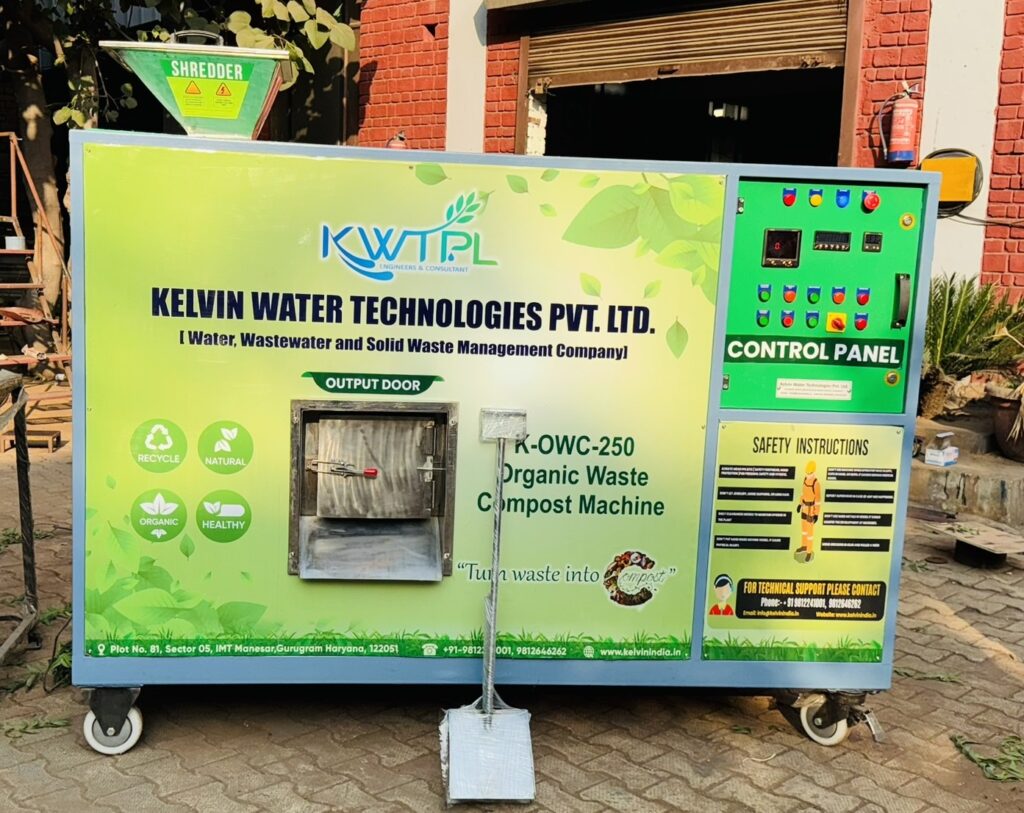
Food waste management has emerged as a significant environmental and operational challenge for industries, commercial establishments, and municipalities worldwide. With rapid urbanization, increasing food production, and heightened consumer demand, managing food waste efficiently has become essential—not only to reduce environmental impact but also to optimize operational costs, enhance sanitation, and comply with regulatory standards.
A Food Waste Shredder Machine is one of the most effective solutions for processing and managing food waste. These machines reduce food waste volume, transform it into manageable particles, and improve downstream waste handling processes such as composting, anaerobic digestion, and wastewater treatment.
What is a Food Waste Shredder Machine?
A Food Waste Shredder Machine is an industrial device designed to pulverize solid food waste—including leftovers, kitchen scraps, expired food products, and organic residues—into smaller, uniform particles. This shredding process makes subsequent handling, disposal, biological treatment, or recycling more efficient.
Unlike conventional garbage disposal units, industrial food waste shredders are built to handle large volumes of waste and tougher materials like bones, shells, fruit pits, and fibrous vegetable matter.
How Does a Food Waste Shredder Machine Work?
The working principle of a food waste shredder machine can be broken into several stages:
1. Feeding/Input
Food waste is fed into the machine either manually or via an automated conveyor system for high-volume applications. Some models include hoppers, feeders, or loading belts to streamline the input process.
2. Primary Shredding
Inside the machine, rotating blades, cutters, or hammers break down the food waste into smaller pieces. These components are designed to handle varied food textures—from soft vegetables to hard seeds and bones.
3. Particle Size Control
Many advanced food waste shredders are equipped with screens or perforated plates that ensure shredded particles are uniformly sized. This controllable output ensures better downstream processing.
4. Discharge
Shredded food waste exits the machine through a discharge outlet, ready for further treatment, composting, landfill diversion, or conversion into other value-added products like biogas.
Key Features of Food Waste Shredder Machine
Modern food waste shredders come with a range of features that enhance performance, durability, and safety:
1. Heavy-Duty Blades and Cutter Systems
Industrial-grade blades made of hardened steel ensure long life and consistent performance even with tough waste materials.
2. Energy-Efficient Motors
Optimized motors reduce power consumption while delivering high torque and stable operation.
3. Automatic Reverse Function
To clear blockages and prevent jamming, many models come with reverse rotation features.
4. Safety Guards and Sensors
Advanced safety systems prevent accidents and ensure compliance with workplace safety norms.
5. Corrosion-Resistant Body
Stainless steel construction protects against rust and degradation, especially in wet or high-moisture environments.
6. Intelligent Control Panels
Touchscreen PLC controls allow operators to monitor performance and adjust settings.
Advantages of Using a Food Waste Shredder Machine
Food waste shredder machines offer numerous benefits across sectors:
1. Reduced Waste Volume
By breaking food waste into smaller particles, the total volume is significantly reduced, lowering transportation and disposal costs.
2. Improved Sanitation
Shredding prevents odour buildup, vermin attraction, and bacterial proliferation, enhancing hygiene in kitchens, restaurants, and processing facilities.
3. Enhanced Treatment Efficiency
Smaller particles are easier to compost, digest anaerobically, or treat biologically, speeding up decomposition and improving process outcomes.
4. Cost Savings
Reduced disposal fees, landfill diversion benefits, and improved recycling pathways lead to long-term cost benefits.
5. Environmental Compliance
With stricter regulations on food waste disposal, using shredders helps businesses stay compliant with environmental mandates and waste management laws.
Applications Across Industries
Food waste shredders are versatile and applicable to various sectors:
1. Hospitality & Catering
Hotels, restaurants, and cafeterias use shredders to manage kitchen waste and streamline waste handling.
2. Food Processing Units
Meat, poultry, dairy, and packaged food industries process large quantities of organic waste that need pre-treatment before disposal or recycling.
3. Municipal Waste Management
City waste facilities incorporate shredders into organic waste streams to enhance municipal composting programs.
4. Healthcare & Institutions
Hospitals, schools, prisons, and large institutions benefit from effective waste size reduction to maintain hygiene and efficient waste handling.
5. Agricultural & Farming
Agricultural processing units and farms use shredders for crop residues and unsold produce, facilitating composting and soil enrichment.
Kelvin Water Technologies – Food Waste Shredder Solutions
Kelvin Water Technologies is a well-known name in the environmental engineering and waste management space, particularly in sewage treatment, effluent treatment, and organic waste management systems. As global focus intensifies on sustainable waste practices, KWTPL has expanded its expertise to include industrial food waste shredder machines as part of its comprehensive solutions.
1. Integrated Waste Management Approach
Kelvin Water Technologies doesn’t just provide standalone machines—they deliver integrated systems that combine shredding, treatment, and disposal. Their food waste shredder machines are designed to feed seamlessly into:
- Organic waste composting systems
- Bio-digestion units
- Effluent treatment plants (ETPs)
- Sewage treatment plants (STPs)
2. Customized Engineering Solutions
Understanding that waste profiles vary by industry, Kelvin Water Technologies offers customized shredder designs tailored to specific needs—whether for high moisture waste, fibrous materials, or mixed waste streams. Their engineering team evaluates each client’s waste characteristics and proposes the ideal machine configuration for optimized performance.
3. Quality and Durability
Kelvin Water Technologies focuses on robust build quality, ensuring long-lasting performance and reduced maintenance costs. High-grade materials, precise machining, and quality control guarantee that their food waste shredders withstand industrial workloads and deliver consistent results.
4. Technical Support & After-Sales Service
A key differentiator for KWTPL is its dedicated support network. From installation and commissioning to troubleshooting and periodic maintenance, clients receive end-to-end support to maximize uptime and productivity.
5. Sustainability and Compliance
KWTPL’s solutions align with environmental regulations and sustainability frameworks. Food waste shredders fitted within larger waste management ecosystems help businesses reduce carbon footprint, minimize landfill usage, and convert waste into useful outputs like compost or biogas.
Choosing the Right Food Waste Shredder Machine
When selecting a food waste shredder, consider the following:
1. Waste Volume
Estimate daily food waste to choose the right machine capacity.
2. Material Types
Evaluate waste composition—soft food, hard bones, seeds—to determine cutter design.
3. Integration Requirements
Ensure compatibility with existing waste processing infrastructure.
4. Maintenance and Service
Opt for machines backed by strong service and support networks, such as Kelvin Water Technologies’ after-sales teams.
Conclusion
Food waste shredder machine is essential tools for modern waste management. They enhance sanitation, reduce waste handling costs, and improve overall sustainability. With industries seeking smarter ways to manage organic waste, these machines have become indispensable across sectors such as hospitality, food processing, agriculture, and municipal services.
Kelvin Water Technologies stands out as a provider that not only offers high-quality food waste shredders but integrates them into complete, customized waste management solutions that drive efficiency, compliance, and environmental stewardship.