Automatic Baling Press Machine India
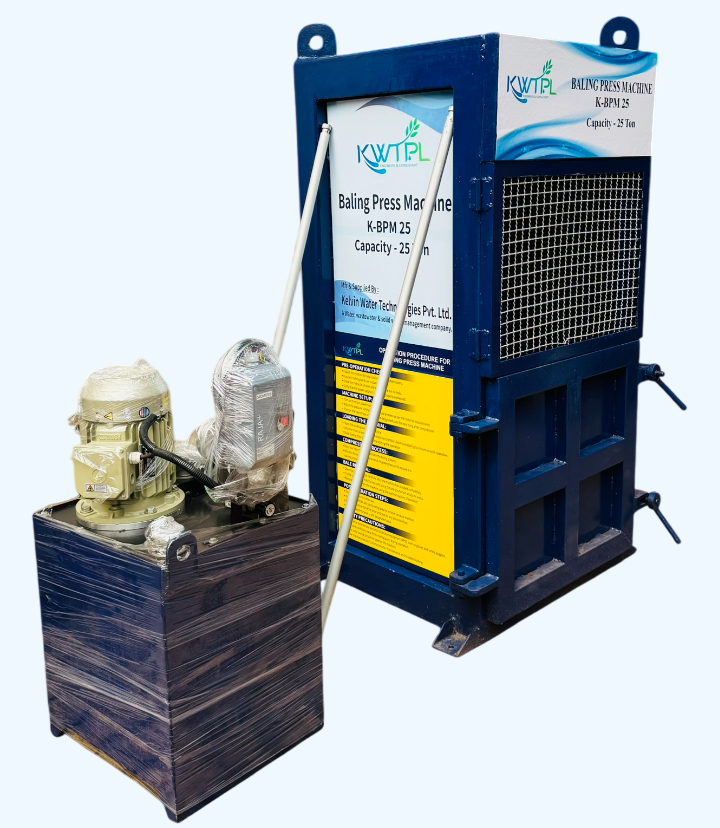
In India’s rapidly expanding industrial and commercial landscape, efficient waste management has transitioned from a regulatory requirement to a strategic business priority. Automatic baling press machine play a central role in this transformation — compressing recyclable materials into dense, manageable bales that optimize storage, reduce transport costs, and improve recycling yields. As more Indian businesses adopt automation and sustainability goals become mainstream, automatic balers are emerging as essential assets across sectors ranging from manufacturing and logistics to retail and municipal waste management.
What is an Automatic Baling Press Machine?
An automatic baling press machine — often referred to simply as an auto baler — is a piece of industrial equipment designed to:
- Compress loose and lightweight waste materials into tightly packed bales.
- Automate the feed, compression, tying, and ejection cycles with minimal human intervention.
- Produce consistent bale sizes ready for storage, transportation, or recycling.
Unlike manual or semi-automatic balers, automatic balers use sensors and PLC (Programmable Logic Controller) systems to manage operations, ensuring high throughput and safety. Typical materials processed include:
- Cardboard and paper
- Plastics (PET bottles, films, sheets)
- Textiles
- Foam
- Agricultural waste (like hay or straw)
- Light metals (aluminium cans)
How Automatic Balers Work? — Key Components
While designs vary by manufacturer and intended material, most automatic baling machines include:
- Hopper / Infeed Conveyor: Where waste is loaded — often automatically fed from upstream processes.
- Compression Chamber: Where hydraulic rams compress material under high pressure.
- PLC Control Unit: Manages automatic cycles based on sensors and operator inputs.
- Tying/Tensioning System: Wraps wire or strapping around the bale to secure it.
- Discharge System: Ejects the completed bale onto a conveyor or storage area.
Why Automatic Balers Are Critical in India?
India is experiencing rapid industrialization and urbanization, resulting in increasing volumes of waste generated across sectors. With stricter environmental norms and corporate sustainability goals, businesses must adopt efficient waste handling systems. Automatic balers contribute in several ways:
A. Waste Volume Reduction
By compressing material, balers reduce waste volume by up to 90%, freeing up valuable storage space and cutting the costs of transport and landfill charges.
B. Enhancing Recycling Efficiency
Sorted and baled materials are more acceptable to recyclers. Baling maintains material integrity and prevents contamination — vital for plastics and paper.
C. Automation Improves Productivity
Automatic cycle operations ensure consistency and reliability, allowing workforce deployment to higher-value tasks.
D. Better Safety and Compliance
Modern automatic balers are equipped with safety interlocks, emergency stops, and guarded access points — critical for compliance with Indian occupational safety standards.
Typical Applications Across Indian Industries
Automatic balers find use across a diverse range of sectors:
A. E-Commerce and Retail
Massive volumes of cardboard and plastic packaging are generated daily. Automatic balers handle this high throughput more efficiently than manual systems.
B. Manufacturing Plants
From textile mills compressing fabric offcuts to plastics processors compacting scrap resin and films, balers help manufacturers manage internal waste streams.
C. Logistics and Warehousing
Distribution centers benefit from automatic balers as they deal with a constant influx of packaging waste.
D. Municipal and Institutional Waste Management
Some urban local bodies and large campuses are adopting baler systems to streamline recycling programs.
Advantages of Automatic Baling Press Machine
1. High Throughput and Efficiency
Automatic balers can run continuous cycles without fatigue — ideal for 24×7 operations.
2. Uniform Bale Quality
Consistent density and size make bales easier to handle and sell — strengthening negotiation power with recyclers.
3. Cost Savings
Lower transport costs, reduced landfill fees, and less labor required for manual compaction translate into significant financial benefits.
4. Enhanced Safety
Operator exposure to waste is minimized — lowering workplace risks.
5. Improved Space Utilization
Compressed bales occupy far less space — crucial for facilities with limited footprint.
Choosing the Right Automatic Balers in India
When selecting a baler, businesses should consider:
- Material Type: PET, cardboard, mixed plastics, textiles, etc.
- Bale Size and Density Requirements
- Throughput Capacity (Tons/Hour)
- Automation Level and Integration
- Safety Features
- After-Sales Support and Service Network
The Future of Balers in India
As circular economy principles become entrenched, automatic balers will be crucial in:
- Supporting Extended Producer Responsibility (EPR) obligations under India’s plastic waste regulations.
- Data-driven waste operations, where sensors provide insights to optimize entire material flows.
- Integration with Waste Sorting and Material Recovery Facilities in smart cities.
Kelvin Water Technologies — Enhancing Waste Management Value
Kelvin Water Technologies known for its expertise in sustainable water and waste solutions, is increasingly intersecting with the sector’s needs for comprehensive waste handling systems.
A. Who is Kelvin Water Technologies?
Kelvin Water Technologies is a leader in deploying environmentally responsible industrial solutions — including wastewater treatment, sewage treatment plants (STPs), and zero-waste systems. Their mission is to help businesses meet compliance goals while optimizing operational efficiencies.
B. Integration of Baling Solutions in Broader Sustainability Offerings
While traditionally focused on water treatment technologies, KWT recognizes that solid waste and recyclable material management are integral to a holistic sustainability strategy. In this context:
- KWT advises industries on selecting the right waste processing and baling equipment to complement wastewater and effluent initiatives.
- They assist clients in designing end-to-end programs — from waste segregation to compaction, recycling, and disposal.
- Their consulting services help align waste infrastructure with regulatory frameworks such as EPR and municipal compliance standards.
By integrating automatic balers into an overall waste ecosystem strategy, KWT enhances operational performance, reduces environmental footprint, and bridges the gap between waste generation and value realization through recycling.
C. Value Proposition in the Indian Market
KWT’s strength lies in:
- Technical expertise across waste streams
- Tailored solutions for industry sectors
- Project implementation and lifecycle support
- Focus on zero-waste and circularity goals
Conclusion
Automatic baling press machines are transforming how Indian businesses manage waste — pushing operations toward higher efficiency, reduced costs, and improved recycling outcomes. With automation, consistency, and safety built in, these machines serve as a logical investment in the journey toward sustainable and profitable operations.
Companies like Kelvin Water Technologies play a pivotal role by providing integrated advisory and implementation support — ensuring that baling technology sits within a larger framework of environmental compliance, resource optimization, and long-term sustainability.
As India continues its trajectory of growth and environmental responsibility, automatic balers will remain an indispensable part of modern waste management infrastructure — contributing to a cleaner, more efficient, and circular industrial future.