Food Waste Management in Hotels
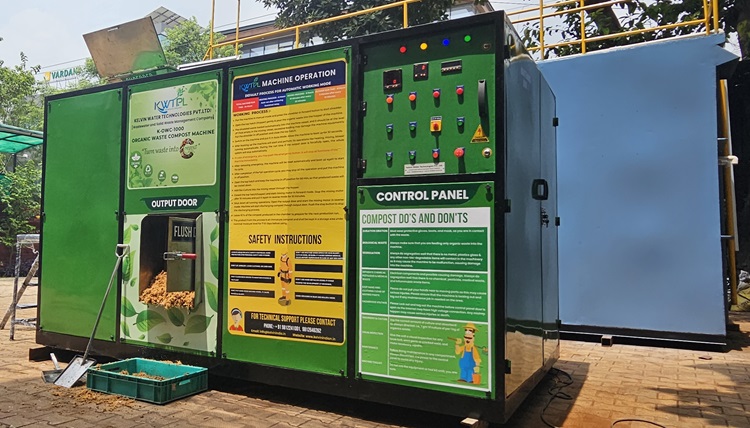
Food waste management is one of the most pressing sustainability challenges faced by the hospitality industry today. Hotels, ranging from budget lodges to luxury resorts, generate significant amounts of food waste daily due to high guest turnover, large-scale food preparation, and varied guest preferences. Inefficient handling of this waste not only impacts operational costs but also contributes to environmental degradation through increased greenhouse gas emissions and resource wastage.
Effective food waste management in hotels is therefore a strategic priority for sustainability, cost control, regulatory compliance, and corporate social responsibility (CSR). This article explores the importance of food waste management in hotels, the challenges involved, best practices, and how innovative solutions — including those from Kelvin Water Technologies — support holistic waste reduction and treatment.
Why Food Waste Management Matters in Hotels?
Hotels play a critical role in the hospitality ecosystem, serving thousands of meals daily across buffets, à la carte restaurants, banquets, and room service. With such high volumes of food handling, even small inefficiencies can lead to major waste.
Environmental Impact
Food waste contributes significantly to landfill mass, where anaerobic decomposition produces methane — a greenhouse gas with a global warming potential 25 times greater than carbon dioxide. Additionally, wasted food represents wasted water, energy, and labor that went into production and transportation.
Economic Losses
Every kilogram of food wasted is a direct financial loss. The cost includes purchase price, labor, utilities, and disposal expenses. For hotels, this can significantly affect profitability, particularly in competitive markets where operational efficiency is critical.
Regulatory & Social Expectations
Governments worldwide are tightening regulations on waste disposal and mandating sustainable practices. Simultaneously, guests increasingly prioritize eco-friendly hotels, making effective food waste management both a compliance and branding imperative.
Key Challenges in Hotel Food Waste Management
Before solutions can be implemented, hotels must understand the complex challenges inherent to food waste:
a) Predicting Guest Consumption
Guest preferences are difficult to forecast, especially during events or peak seasons. Overproduction leads to surplus food that often becomes waste.
b) Inadequate Waste Segregation
Failure to separate organic food waste from recyclables and inert waste makes treatment and recycling inefficient or impossible.
c) Lack of Awareness & Training
Staff may lack understanding of waste management protocols, leading to improper disposal, lack of portion control, and insufficient monitoring.
d) Infrastructure Constraints
Many hotels do not have on-site systems for effective treatment of food waste such as composters, ANIMAL digestion, or waste converters.
Best Practices for Reducing Food Waste in Hotels
Hotels must adopt a multi-layered approach that tackles food waste at various stages — from procurement to disposal.
1 Procurement Planning
Accurate demand forecasting using historical data, seasonal trends, and reservation patterns helps minimize overstocking of perishable items.
2 Inventory Management
Implementing First-In First-Out (FIFO) practices ensures older stock is used before it expires. Regular audits reduce spoilage and loss.
3 Menu Engineering & Portion Control
Simplifying menus to focus on high-demand, versatile ingredients reduces waste. Standardized portion sizes also help limit leftovers on plates.
4 Staff Training & Engagement
Educating culinary and housekeeping teams on waste segregation, proper storage, and mindful preparation builds a culture of accountability.
5 Guest Awareness Programs
Informational signage and sustainable dining options (e.g., à la carte vs buffet) can influence guest behavior to reduce plate waste.
6 On-Site Waste Segregation
Segregating food waste from recyclables and inserts at the source enables downstream treatment options such as composting or bio-digesters.
Food Waste Treatment Technologies for Hotels
Beyond reduction and segregation, hotels need practical systems to handle unavoidable food waste. Technologies range from simple composters to advanced converters.
1 Composting
Composting transforms organic waste into nutrient-rich compost suitable for gardens and landscaping. It is effective but requires space and proper monitoring.
2 Anaerobic Digesters
These systems break down organic waste in oxygen-free environments, producing biogas that can be used for energy and digestate as fertilizer.
3 Waste Converters & Dehydrators
These machines reduce waste volume and weight by dehydrating and converting organic matter into inert, manageable material.
Kelvin Water Technologies: Elevating Waste Management in Hotels
Kelvin Water Technologies is a leader in sustainable water and waste treatment solutions in India. While widely known for advanced sewage and wastewater systems, Kelvin Water Technologies also contributes to responsible food waste management through integrated technologies that enhance organic waste treatment and resource recovery.
Integrated Waste & Water Solutions
Hotels often deal with dual challenges — food waste and wastewater. Kelvin Water Technologies offers comprehensive systems that address both:
- Organic waste treatment systems that process food waste efficiently.
- Sewage and wastewater treatment plants (STPs & ETPs) that reduce pollutants before discharge or reuse.
By integrating food waste management with wastewater treatment, hotels can:
- Reduce total waste output.
- Lower disposal costs.
- Improve water reuse for landscaping or cleaning.
- Minimize environmental footprint.
Sustainable Resource Recovery
Kelvin systems often convert organic food waste into valuable outputs like compost or bio-gas (with compatible digesters), enabling hotels to turn waste into resources — aligning with the circular economy model.
Compliance & Reporting
Kelvin’s solutions help hotels meet environmental regulations and sustainability reporting requirements, including ESG benchmarks that are increasingly important for investors and guests alike.
Case Studies: Success in Hotel Food Waste Management
While specific hotel names may vary globally, many establishments have implemented successful strategies combining operational changes with treatment technologies like those from Kelvin Water Technologies.
Case Study 1: Resort Chain Reduces Waste by 40%
A luxury resort implemented:
- Demand forecasting tools.
- On-site composting.
- Staff training modules.
Case Study 2: Business Hotel Integrates Waste Converters & Water Treatment
A metropolitan business hotel installed:
- Organic waste converters for daily food leftovers.
- A compact Sewage Treatment Plant (STP) from Kelvin Water Technologies.
Measuring and Sustaining Performance
Hotels aiming for long-term success must measure and monitor waste management performance:
Key Metrics
- Waste volume per guest
- Segregation accuracy rates
- Cost savings from waste reduction
- Water reuse and wastewater quality levels
- Carbon footprint reduction
Future Trends in Food Waste Management
The future of food waste management in hotels will be shaped by:
- IoT and AI analytics for predictive demand and automation.
- Blockchain traceability in supply chains.
- Guest engagement apps promoting sustainable choices.
- Partnerships with local food banks and donation networks to redistribute edible surplus.
Conclusion
Effective food waste management in hotels is no longer optional — it is essential for environmental, economic, and social sustainability. By combining thoughtful operational practices with advanced treatment solutions, hotels can significantly reduce waste, cut costs, and enhance their brand reputation.
Kelvin Water Technologies plays a crucial role in this journey by providing robust systems that treat organic waste and wastewater, enabling hotels to adopt a circular and sustainable model of operations.
With increasing regulatory expectations and guest demand for eco-friendly practices, now is the time for hotels to innovate and invest in comprehensive food waste management — turning waste from a liability into an asset.