Effluent Treatment Plant for the Dairy Industry
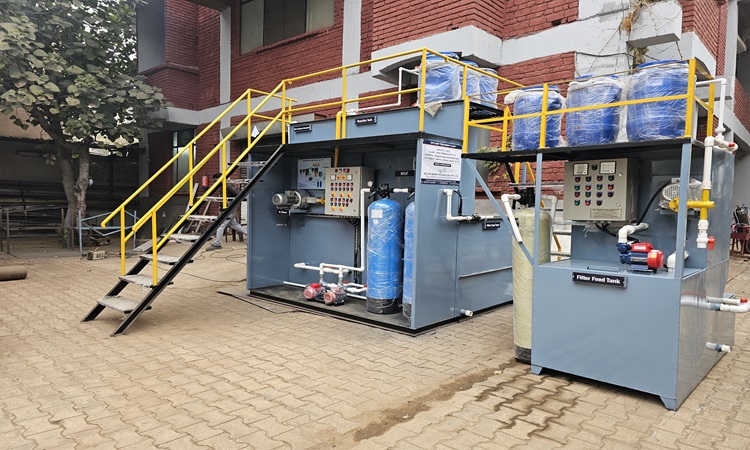
The dairy industry plays a critical role in the global food supply chain, providing a range of essential products such as milk, yogurt, cheese, butter, and whey. While the dairy sector is invaluable to human nutrition and economics, it also generates substantial quantities of wastewater — known as dairy effluent — that require proper treatment before discharge or reuse. Effluent Treatment Plants are therefore essential infrastructure for dairy processing units to ensure regulatory compliance, environmental protection, and sustainable operations.
What is Dairy Effluent?
Dairy effluent refers to wastewater produced from various operations within a dairy processing facility. These effluents typically contain:
- High concentrations of organic matter (fats, proteins, lactose)
- Suspended solids
- Biochemical Oxygen Demand (BOD)
- Chemical Oxygen Demand (COD)
- Residual milk, cleaning agents, and sanitizers
- Variable pH levels
- Grease, oil, and fats
Why is ETP Necessary for Dairy Plants?
Effective wastewater management in dairies is more than just regulatory compliance — it’s essential for environmental stewardship, resource conservation, and long-term operational sustainability. Here are key reasons dairy plants need ETP systems:
a. Environmental Protection
Dairy wastewater has high organic load and low dissolved oxygen levels. If released untreated, it can deplete oxygen in receiving water bodies, leading to fish kills and ecosystem disruption.
b. Regulatory Compliance
Most countries require dairy processors to treat effluent to defined standards before discharge. Non-compliance can result in fines, shutdowns, or legal action.
c. Public Health
Improper discharge of effluent can contaminate soil, groundwater, and surface water, posing health risks to communities and livestock.
d. Resource Recovery & Reuse
With increasing water scarcity, treating dairy effluent allows water recycling for cleaning, cooling, and other processes — reducing freshwater demand and operational cost.
3. Characteristics of Dairy Wastewater
Understanding dairy effluent helps in designing the right ETP system. Typical characteristics include:
| Parameter | Typical Range |
| pH | 6.5 – 9.0 |
| BOD | 1000 – 6000 mg/L |
| COD | 2000 – 10,000 mg/L |
| TSS | 500 – 3000 mg/L |
| Fats, Oils & Grease | 200 – 1500 mg/L |
Key Components of a Dairy ETP
A typical ETP for a dairy processing plant involves several stages, each targeting specific pollutants:
a. Preliminary Treatment
- Screening and Grit Removal: Removes large solids, packaging materials, and grit.
- Equalization Tank: Balances fluctuations in wastewater volume and quality.
b. Primary Treatment
- Oil & Grease Separation: Removes fats and greases using skimmers or dissolved air flotation (DAF).
- Primary Sedimentation: Settles heavier solids using clarifiers.
c. Secondary Treatment
This stage targets dissolved and colloidal organic matter:
- Activated Sludge Process (ASP)
- Sequencing Batch Reactors (SBR)
- Aerobic Contact Reactors
- Trickling Filters
d. Tertiary Treatment
Depending on reuse or discharge standards:
- Sand/Multimedia Filtration
- Activated Carbon Filters
- Disinfection (UV/chlorination)
- Membrane Filtration (e.g., ultrafiltration) for reuse quality
e. Sludge Management
Residual sludge from primary/secondary treatment is dewatered and disposed of sustainably or reused as soil conditioners.
Designing an Effective Dairy ETP
ETP design depends on several factors:
- Wastewater flow rate
- BOD/COD levels
- Space availability
- Desired effluent standards
- Water reuse goals
- Regulatory requirements
Benefits of ETP Implementation in Dairy Plants
a. Regulatory Compliance
Ensures discharge standards for BOD, COD, pH, TSS, and other parameters are met.
b. Reduced Environmental Impact
Minimized contamination of rivers, lakes, and groundwater.
c. Water Recycling
Treated water can be reused for cleaning, cooling, gardening, and boiler feed — significantly reducing freshwater intake.
d. Cost Savings
Reduced freshwater use, lower wastewater charges, and potential revenue from resource recovery.
e. Enhanced Reputation
Demonstrates commitment to sustainability, benefiting brand image and stakeholder trust.
Challenges in Dairy Wastewater Treatment
- High organic load causing rapid biomass growth
- Seasonal variations in wastewater volume and composition
- Grease and fat accumulation causing operational issues in reactors
- Requirement of skilled operation and maintenance
- Disposal of generated sludge
Kelvin Water Technologies — Solutions for Dairy Effluent Treatment
Kelvin Water Technologies Pvt. Ltd. is a leading provider of wastewater treatment solutions with extensive experience across industries including dairy, food & beverage, pharmaceuticals, textiles, and more. Kelvin’s ETP offerings are engineered to address the unique challenges of dairy effluent with efficiency, reliability, and sustainability.
1. Industry-Specific Expertise
Kelvin Water Technologies understands that dairy wastewater differs from other industrial effluents in composition and treatment needs. Their solutions are customized based on:
- Flow rates and pollution load
- Space constraints
- Local discharge standards
- Reuse objectives
2. Comprehensive ETP Solutions
Kelvin’s dairy ETP systems typically integrate:
a. Pretreatment Units
- Screens and grit chambers
- Oil & grease traps
- Equalization tanks
b. Biological Treatment Systems
- Activated sludge systems (ASP)
- Sequencing Batch Reactors (SBR)
- MBBR (Moving Bed Biofilm Reactor) for compact footprint and stable performance
c. Tertiary Treatment
- Media filtration
- UV disinfection
- Membrane systems for high-quality reuse
3. Smart Automation & Control
Kelvin’s ETP plants are equipped with advanced automation systems that:
- Monitor pH, BOD, COD, dissolved oxygen, and other critical parameters in real time
- Adjust aeration and chemical dosing automatically
- Enable remote monitoring and alerts
4. Sludge Management & Resource Recovery
Kelvin offers robust solutions for sludge handling:
- Thickening
- Dewatering
- Safe disposal or reuse options
5. Water Reuse for Sustainability
Kelvin’s treatment systems enable treated effluent to be reused in:
- Floor washing
- Cooling towers
- Irrigation
- Boiler feed after appropriate polishing
Turnkey Project Implementation
Kelvin Water Technologies delivers:
- Detailed wastewater characterization
- ETP design and engineering
- Equipment supply
- Installation and commissioning
- Operation & maintenance support
- Compliance testing and reporting
Case Example: Dairy ETP Implementation Benefits
Consider a mid-sized dairy processing unit generating 100–300 KLD (kiloliters per day) of wastewater:
Before ETP:
- High BOD/COD
- Frequent regulatory notices
- High water purchase costs
After Kelvin ETP Installation:
- Treated effluent meets discharge limits
- 40–60% water reused for cleaning & cooling
- Operational costs reduce through automation
- Regulatory compliance is maintained consistently
Conclusion
Effluent Treatment Plants are indispensable for dairy processing plants. They ensure environmental protection, regulatory compliance, resource conservation, and long-term sustainability. Given the complex nature of dairy wastewater, investing in a well-designed, efficiently operated ETP system is both an environmental and economic necessity.
Kelvin Water Technologies Pvt. Ltd. brings deep industry expertise, advanced technologies, and customized solutions to dairy wastewater management. Their ETP systems not only help dairy plants meet stringent effluent standards but also unlock opportunities for water reuse, cost savings, and cleaner operations.
For dairy processors aiming to achieve sustainable growth while protecting the environment, partnering with a trusted wastewater treatment provider like Kelvin Water Technologies ensures the most effective path forward.