Industrial Effluent Treatment Plant Solutions for Sustainable Wastewater Management
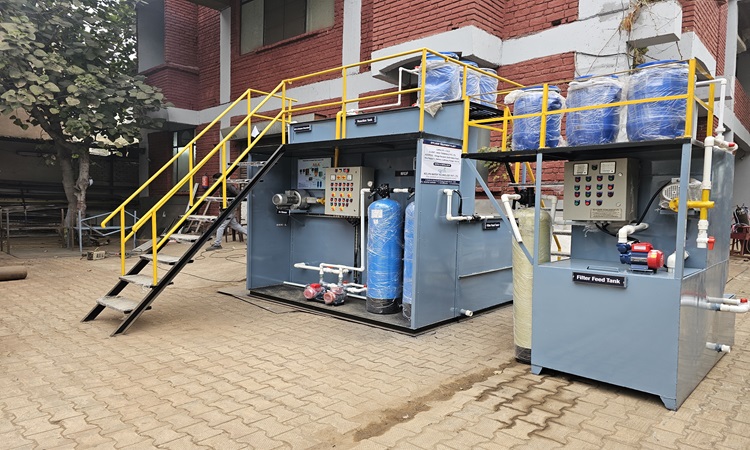
In today’s industrial world, environmental sustainability and regulatory compliance are top priorities. Every manufacturing or processing unit generates wastewater that contains pollutants, chemicals, and toxic substances. If left untreated, this effluent can cause severe damage to the environment and public health. This is where an Effluent Treatment Plant plays a crucial role. An Industrial Effluent Treatment Plant helps treat, purify, and recycle wastewater before it is released into natural water bodies or reused for non-potable purposes.
Companies like Kelvin Water Technologies Pvt. Ltd. are at the forefront of providing advanced and sustainable Effluent Treatment Plant solutions designed to meet the unique requirements of various industries, including pharmaceuticals, textiles, food processing, chemicals, and manufacturing.
Understanding the Effluent Treatment Plant
An Effluent Treatment Plant is a specialized system that removes organic matter, suspended solids, oils, grease, heavy metals, and harmful chemicals from wastewater generated by industries. The primary goal of an ETP is to ensure that discharged water meets environmental safety standards set by local pollution control boards.
ETPs operate through a series of physical, chemical, and biological processes that work together to purify wastewater efficiently. Depending on the nature of the effluent, treatment methods and equipment are customized to ensure optimal results.
Importance of Industrial Effluent Treatment Plant
The growing concern about water pollution and resource scarcity has made Effluent Treatment Plants essential for every industry. Here are some key reasons why ETPs are indispensable:
1. Environmental Protection: Prevents contamination of natural water sources such as rivers and lakes by removing toxic pollutants.
2. Regulatory Compliance: Ensures industries meet the discharge standards set by environmental authorities.
3. Water Reuse and Conservation: Treated water can be reused for industrial operations, gardening, or cooling, thus saving fresh water.
4. Cost Efficiency: Reduces costs associated with water procurement and waste disposal.
5. Corporate Responsibility: Demonstrates a company’s commitment to sustainability and environmental stewardship.
Working Process of an Effluent Treatment Plant
An Industrial Effluent Treatment Plant involves several stages of purification to convert wastewater into environmentally safe effluent. The key processes include:
1. Preliminary Treatment: In this stage, large solids, grit, and floating materials are removed using screens and grit chambers. It helps in preventing clogging and damage to pumps and equipment.
2. Primary Treatment: The wastewater undergoes sedimentation, where heavier solids settle at the bottom, forming sludge. The clarified water from the top moves to the next treatment stage.
3. Secondary Treatment (Biological Treatment): This stage uses biological processes like activated sludge or aeration where microorganisms break down organic pollutants. Aeration tanks ensure sufficient oxygen supply for microbial activity, converting harmful substances into harmless byproducts.
4. Tertiary Treatment: Advanced treatment techniques like filtration, chlorination, UV disinfection, or membrane processes are applied to remove remaining contaminants, pathogens, and odor. The result is high-quality water suitable for reuse or safe discharge.
5. Sludge Treatment and Disposal: The solid waste (sludge) generated during treatment is thickened, dewatered, and disposed of or processed for further use, such as in biogas production or as fertilizer after stabilization.
Types of Effluent Treatment Plant
Depending on the nature of wastewater and industrial processes, Effluent Treatment Plants can be categorized as:
1. Physico-Chemical ETPs: Use chemical coagulants and flocculants to remove suspended solids and dissolved impurities.
2. Biological ETPs: Utilize microorganisms to degrade organic matter present in wastewater.
3. Hybrid or Combined Systems: Integrate both chemical and biological treatments for maximum purification efficiency.
4. Modular ETPs: Compact and easy-to-install systems designed for small to medium-scale industries.
Applications of Industrial Effluent Treatment Plants
Effluent Treatment Plants are widely used across multiple industrial sectors, including:
- Textile and Dyeing Industries – To remove colour, chemicals, and organic compounds.
- Pharmaceuticals – To treat high-strength chemical wastewater and biological residues.
- Food and Beverage – To manage organic waste and ensure safe disposal.
- Chemical Manufacturing – To neutralize acidic or alkaline waste and remove toxic elements.
- Automobile and Metal Finishing – To remove oil, grease, and heavy metals.
Features of Modern Effluent Treatment Plant Solutions
Modern Industrial Effluent Treatment Plant solutions offered by companies like Kelvin Water Technologies incorporate advanced engineering and automation. Key features include:
- Compact Design: Space-saving modular units ideal for urban industries.
- Energy Efficiency: Low power consumption with optimized aeration systems.
- Automatic Operation: PLC and SCADA-based control panels for easy monitoring and management.
- Low Maintenance: Durable components designed for long-term performance.
- High Treatment Efficiency: Achieves up to 95–98% pollutant removal efficiency.
Benefits of Installing an Effluent Treatment Plant
Installing an Effluent Treatment Plant offers numerous advantages, including:
1. Pollution Control: Prevents contamination of soil and water bodies.
2. Sustainability: Promotes recycling and reuse of treated water.
3. Cost Savings: Reduces operational costs related to water consumption.
4. Improved Brand Image: Strengthens corporate reputation by promoting eco-friendly practices.
5. Legal Compliance: Helps avoid fines or shutdowns due to non-compliance with pollution norms.
Why Choose Kelvin Water Technologies Pvt. Ltd.?
Kelvin Water Technologies Pvt. Ltd. is one of India’s leading manufacturers and suppliers of Effluent Treatment Plants. With years of experience in wastewater management, the company delivers customized, efficient, and durable ETP systems tailored to industrial needs.
Key highlights of Kelvin’s ETP solutions include:
- End-to-end design, manufacturing, installation, and maintenance services.
- Use of high-quality materials and advanced treatment technologies.
- Expert technical support and after-sales service.
- Compliance with CPCB and SPCB standards.
Conclusion
Industrial growth must go hand-in-hand with environmental protection. Effluent Treatment Plants play a vital role in achieving this balance by treating wastewater effectively and promoting water reuse. With the right Industrial Effluent Treatment Plant solutions, industries can reduce pollution, conserve resources, and ensure compliance with environmental regulations.
Partnering with experts like Kelvin Water Technologies Pvt. Ltd. ensures not only technical excellence but also a step forward toward a cleaner, greener, and sustainable future. Investing in a reliable Effluent Treatment Plant is not just a regulatory requirement — it is a commitment to responsible industrial development and environmental stewardship.